
Owning a boat has always required a significant financial commitment, but in recent years, maintenance costs across Europe have increased at a much faster pace than many boat owners expected.
Whether you own a sailing yacht, a motorboat, a catamaran, or a small recreational vessel, annual maintenance expenses are becoming more expensive due to several economic and industry-specific factors.
Understanding what is driving these price increases can help owners better plan their budgets and reduce unnecessary costs.
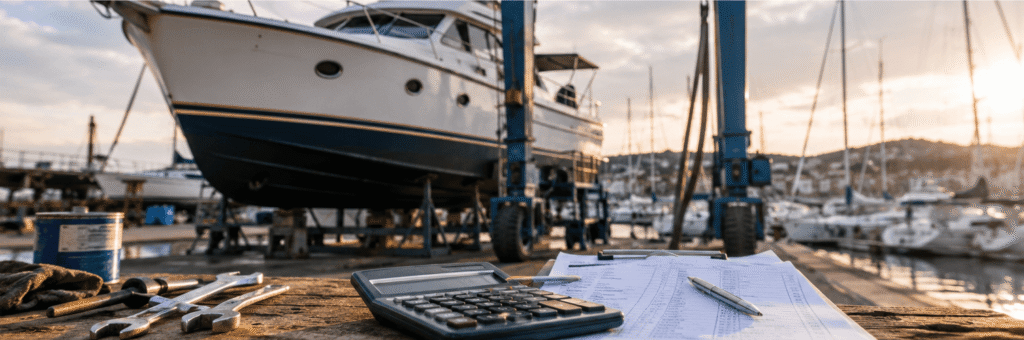
Why Are Boat Maintenance Costs Rising?
There isn’t a single reason behind the increase. Instead, multiple factors have combined to push maintenance prices higher throughout Europe.
The most important drivers include:
- Higher labor costs
- Rising prices for marine materials
- Inflation
- Environmental regulations
- Increased marina operating expenses
- Supply chain disruptions
- Growing demand for skilled marine technicians
Each of these factors contributes differently, but together they have significantly increased the total cost of boat ownership.
Rising Labor Costs Across Europe
Marine maintenance requires specialized technicians.
Unlike general mechanics, marine engineers, electricians, fiberglass specialists, and yacht painters need highly specific training.
Across Europe, wages have increased due to:
- Labor shortages
- Inflation adjustments
- Increased demand
- Aging workforce
- Difficulty attracting younger professionals
Many shipyards now struggle to hire qualified technicians, leading to higher hourly rates.
Average hourly labor costs now commonly range between:
| Country | Average Marine Labor Cost |
|---|---|
| Italy | €50–90/hour |
| France | €60–110/hour |
| Spain | €45–85/hour |
| Germany | €70–120/hour |
| Netherlands | €80–140/hour |
These figures vary depending on location, marina, and type of repair.
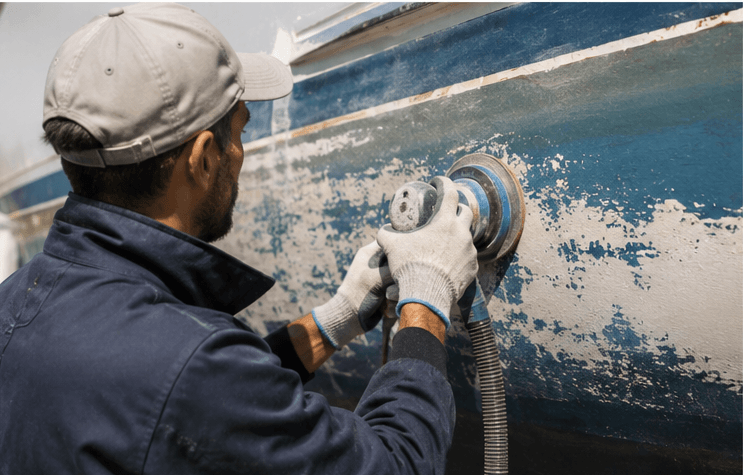
Marine Parts and Equipment Have Become More Expensive
Boat maintenance relies heavily on imported parts.
Many essential components—including engines, pumps, navigation electronics, filters, batteries, and stainless-steel fittings—are manufactured outside Europe.
Several factors have increased prices:
Higher shipping costs
International freight remains more expensive than before the pandemic.
Marine suppliers often pay higher transportation costs, which are ultimately passed on to customers.
Raw material inflation
Prices have increased for:
- Stainless steel
- Aluminum
- Copper
- Fiberglass
- Marine-grade plywood
- Epoxy resins
- Paints
- Composite materials
Since almost every maintenance project uses these materials, repair invoices have risen accordingly.
Environmental Regulations Are Increasing Maintenance Requirements
European environmental legislation has become stricter in recent years.
Marinas and boatyards must comply with regulations regarding:
- Waste disposal
- Hazardous materials
- Paint removal
- Water pollution prevention
- Chemical storage
- Anti-fouling products
These regulations improve environmental protection but also increase operating costs for maintenance companies.
Boat owners ultimately pay part of these additional compliance costs through higher service prices.
Marina Fees Continue to Increase
Maintenance costs are closely linked to marina expenses.
Many maintenance jobs require:
- Boat lifting
- Dry dock storage
- Travel lifts
- Pressure washing
- Yard space
- Electricity
- Water supply
Marinas themselves face increasing operational expenses including:
- Energy costs
- Insurance
- Staff salaries
- Property taxes
- Infrastructure maintenance
As marina fees increase, maintenance invoices become more expensive.
Inflation Has Affected Every Stage of Boat Maintenance
General inflation across Europe has impacted virtually every service involved in boating.
Examples include:
- Fuel
- Transportation
- Insurance
- Equipment
- Spare parts
- Utilities
- Professional services
Even relatively simple maintenance jobs now cost noticeably more than they did five years ago.
Supply Chain Challenges Continue to Affect the Marine Industry
Although global logistics have improved compared to previous years, supply chain issues continue to affect marine equipment.
Some replacement parts still require long lead times.
When urgent repairs are needed, owners often pay premium prices for expedited shipping or alternative suppliers.
Delays also increase labor costs because boats may remain in shipyards longer while waiting for components.
Seasonal Demand Drives Prices Higher
Boat maintenance follows a strong seasonal pattern.
Demand peaks during:
- Late winter
- Early spring
- Beginning of summer
During these periods:
- Workshops become fully booked.
- Labor rates may increase.
- Waiting times become longer.
- Emergency repairs cost more.
Scheduling maintenance during the off-season often results in lower prices.
Older Boats Require More Frequent Maintenance
Europe has a large fleet of aging recreational boats.
Older vessels typically require:
- Engine servicing
- Electrical upgrades
- Hull repairs
- Plumbing replacements
- Fuel system inspections
- Osmosis treatment
- Deck restoration
As boats age, annual maintenance costs naturally increase.
How Much Does Annual Boat Maintenance Cost?
Annual costs depend on:
- Boat size
- Engine type
- Usage
- Marina location
- Maintenance schedule
- Boat age
General estimates:
| Boat Length | Typical Annual Maintenance |
|---|---|
| 6–8 m | €1,000–2,500 |
| 8–10 m | €2,000–4,500 |
| 10–15 m | €4,000–10,000 |
| 15+ m | €10,000–30,000+ |
Unexpected repairs can significantly increase these figures.
How Boat Owners Can Reduce Maintenance Costs
Although prices are increasing, there are several ways to keep annual expenses under control.
Follow Preventive Maintenance
Routine inspections help identify small issues before they become expensive repairs.
Preventive maintenance usually costs much less than emergency repairs.
Schedule Work During the Off-Season
Many boatyards offer better availability and sometimes lower rates during autumn and winter.
Planning maintenance early also reduces the risk of delays before the boating season begins.
Use Quality Parts
Cheaper replacement parts often wear out more quickly.
Investing in high-quality marine components can reduce long-term repair costs.
Clean the Boat Regularly
Regular cleaning helps prevent:
- Corrosion
- Mold
- Salt accumulation
- Hull fouling
- Premature wear
Simple maintenance performed consistently can extend the life of many components.
Keep Detailed Maintenance Records
A documented maintenance history helps:
- Schedule future servicing
- Increase resale value
- Detect recurring issues
- Avoid duplicated repairs
Well-maintained boats typically experience fewer major breakdowns.
Future Outlook for Boat Maintenance Costs
Most marine industry analysts expect maintenance costs to remain relatively high over the coming years.
Several long-term trends suggest continued upward pressure:
- Increasing labor shortages
- Higher environmental compliance costs
- Continued investment in marina infrastructure
- More sophisticated onboard technology
- Ongoing inflation in specialized marine services
However, advances in predictive maintenance, digital diagnostics, and more durable materials may help reduce certain costs over time.
Frequently Asked Questions
Why are boat maintenance costs increasing in Europe?
Boat maintenance costs are rising due to higher labor expenses, inflation, increased prices for marine materials, stricter environmental regulations, higher marina fees, and ongoing supply chain challenges affecting parts and equipment.
How much does annual boat maintenance cost in Europe?
Annual maintenance costs vary depending on the boat’s size, age, engine type, and usage. On average, owners can expect to spend between €1,000 and €30,000 or more per year, depending on the vessel.
What are the most expensive boat maintenance services?
Some of the highest-cost maintenance jobs include engine overhauls, hull repairs, osmosis treatment, repainting, electrical system upgrades, and replacing major mechanical components.
Can preventive maintenance reduce long-term costs?
Yes. Regular inspections and scheduled maintenance help identify minor issues before they become expensive repairs, extending the lifespan of the boat and reducing unexpected expenses.
Does boat size affect maintenance costs?
Yes. Larger boats require more labor, materials, storage space, and maintenance time, making their annual operating and repair costs significantly higher than smaller vessels.
When is the best time to schedule boat maintenance?
The off-season, typically during autumn and winter, is often the best time to schedule maintenance. Many boatyards have greater availability, shorter waiting times, and may offer more competitive pricing.
Why have marine parts become more expensive?
Marine parts have increased in price because of higher transportation costs, raw material inflation, supply chain disruptions, and growing demand for specialized marine equipment.
Will boat maintenance costs continue to increase?
Industry experts expect maintenance costs to remain relatively high due to ongoing labor shortages, environmental compliance costs, inflation, and the increasing complexity of modern boats.
Continue Exploring